


 Friendys
 United Ukraine
 Bidfax
 Πληρωμές
 GenAp group chat
 Adsline MarketPlace
Are Salvage Cars Insurable? What Buyers Need
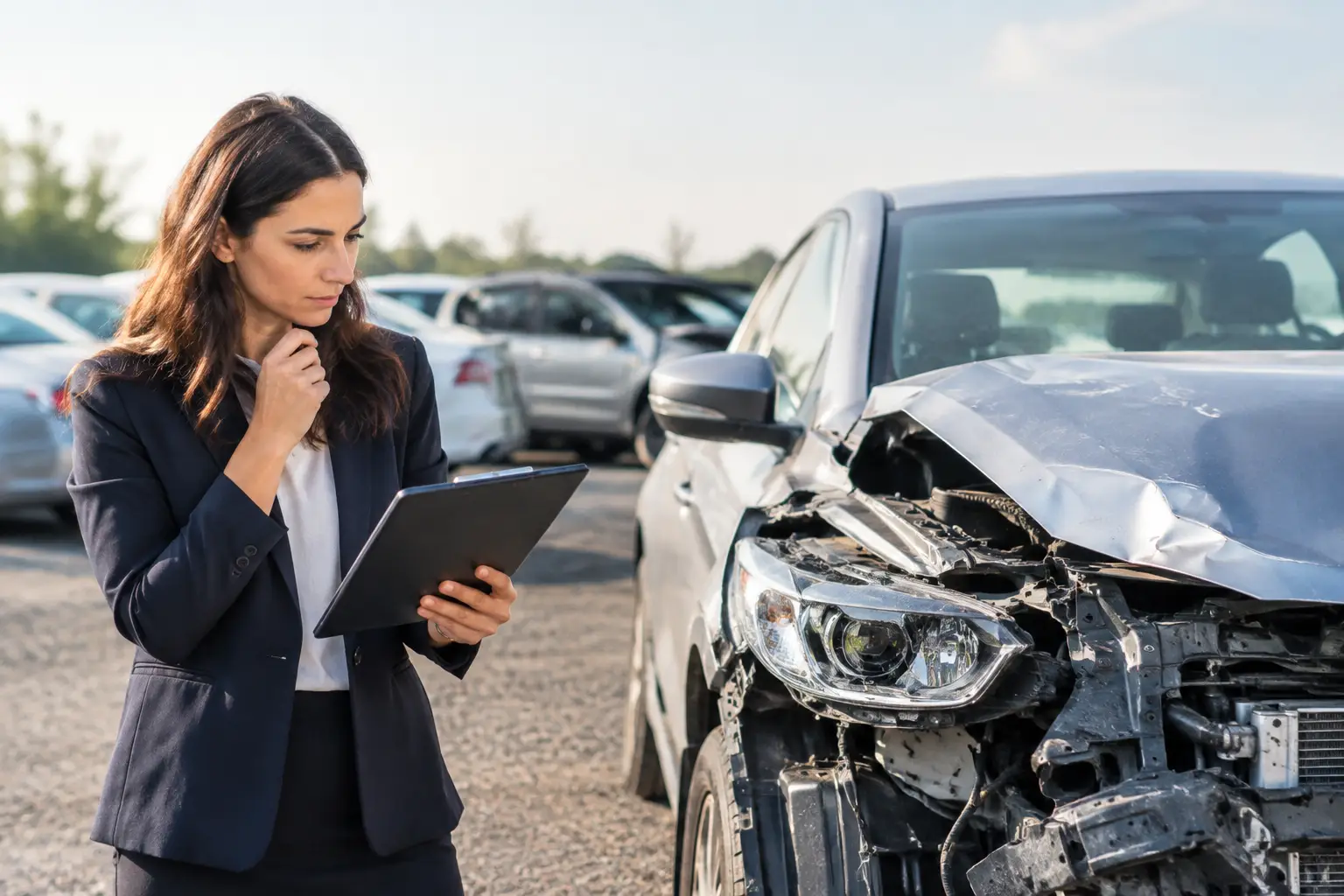
A low purchase price can make a salvage-title vehicle look like the best deal in the lot. But are salvage cars insurable? Sometimes, yes. The answer depends on the title’s current status, your state’s registration rules, the insurer, and the type of coverage you want.
The key detail is that a vehicle with an active salvage title is not the same as one that has been repaired, inspected, and issued a rebuilt title. That difference can determine whether you can legally drive it, register it, or get more than basic liability coverage.
Salvage Title vs. Rebuilt Title
An insurer generally declares a vehicle a total loss when the estimated repair cost, plus related costs, reaches a set percentage of its actual cash value. The threshold varies by insurer and state. After that decision, the vehicle may receive a salvage title.
A salvage title signals major prior damage, theft recovery, flood exposure, fire damage, or another loss event serious enough for the insurer to total the vehicle. It does not automatically mean the car cannot be repaired. It does mean the vehicle has a history that affects its value, safety review, financing options, and insurance eligibility.
In many states, a salvage vehicle cannot be registered for normal road use until it has been repaired and passed the required state inspection. Once approved, it may receive a rebuilt, reconstructed, revived, or similar branded title. State terminology differs, so read the actual title and registration requirements rather than relying on a seller’s shorthand.
A rebuilt title does not erase the salvage history. It tells a future buyer, lender, or insurer that the vehicle was previously declared a total loss and later returned to the road.
Can You Insure a Salvage-Title Vehicle?
If the vehicle still carries an unrepaired salvage title, regular auto insurance may not be available because the vehicle is usually not legal for public-road operation. You may still be able to insure it while it is stored or being repaired, but that is a different conversation from buying a normal daily-driver policy. Ask about comprehensive-only, storage, or garage coverage if the vehicle will not be driven.
Once the vehicle has a rebuilt title and is legally registered, many insurers will write at least liability coverage. Liability pays for injuries or property damage you cause to others, subject to the policy limits. It does not pay to repair your own vehicle after a crash.
Full coverage is where the answer gets less predictable. “Full coverage” is not a formal policy type, but buyers commonly use it to mean liability plus collision and comprehensive coverage. Collision pays for damage from a crash, while comprehensive covers non-collision events such as theft, hail, falling objects, and certain weather losses.
Some insurers will offer collision and comprehensive for rebuilt-title vehicles. Others will offer liability only, exclude physical damage coverage, or decline the vehicle altogether. Their concern is not just the repaired damage. It is also the difficulty of setting a reliable pre-loss value and determining which damage is new versus pre-existing after another claim.
Why Insurers Treat Salvage Cars Differently
A rebuilt vehicle can be repaired correctly, documented well, and driven for years without an issue. It can also have hidden damage, poor-quality replacement parts, incomplete airbag repairs, frame or unibody alignment problems, water intrusion, or electrical faults that do not show up during a quick test drive.
Insurers price risk using vehicle value, repair costs, claim history, available parts, and the certainty of a vehicle’s condition. A branded title makes several of those factors harder to measure. If a repaired vehicle is damaged again, the insurer must estimate its value before the new loss. That value is usually lower than the same year, make, model, mileage, and trim with a clean title.
That lower value matters to the buyer too. Even if collision coverage is available, the claim payment may be based on the rebuilt vehicle’s actual cash value, not the price of a comparable clean-title vehicle. A vehicle bought at a steep discount can still be a reasonable purchase, but the policy will not restore clean-title market value after a total loss.
What Coverage May Be Available
Coverage rules vary by company, but these are the usual scenarios:
- Liability coverage: Often available after the vehicle has a rebuilt title, registration, and any required inspection.
- Uninsured and underinsured motorist coverage: Often available with liability coverage, depending on state rules and policy options.
- Medical payments or personal injury protection: Availability depends largely on your state and insurer.
- Comprehensive and collision: May be available for some rebuilt-title vehicles, but insurers may require more review, set restrictions, or decline physical damage coverage.
- Storage coverage: May fit a salvage vehicle that is not yet repaired or cannot legally be driven.
Do not assume one company’s answer applies everywhere. Get quotes before you purchase, using the VIN whenever possible. A generic quote based only on year, make, and model can change after the insurer sees the branded title.
What to Ask Before You Buy
Insurance should be part of the purchase decision, not an afterthought. Before sending a deposit or accepting a trade, ask the seller whether the title is salvage or rebuilt, what caused the total loss, and whether the vehicle has passed the state inspection required for registration.
Request repair records, pre-repair photos, receipts for major components, and documentation for airbag replacement or calibration. This is especially relevant on newer vehicles with advanced driver-assistance systems. A bumper, windshield, camera, radar sensor, or steering component may need calibration after repairs. A dashboard with no warning lights is useful, but it is not proof that every safety system works as designed.
Have an independent technician inspect the vehicle. For collision repairs, ask for a close look at structural components, suspension mounting points, panel gaps, welds, corrosion, tire wear, and diagnostic trouble codes. For flood history, check for moisture, corrosion in connectors, mildew odors, inconsistent electrical behavior, and water lines in hidden areas.
Then call your insurer or several insurers before purchase. Give them the VIN, title status, intended use, garaging ZIP code, and the coverage limits you want. Ask direct questions: Can you insure this VIN? Is liability available? Can I buy comprehensive and collision? Are there special inspections or photos required? How will the vehicle be valued if it is totaled again?
Written confirmation is better than a casual verbal estimate. If an agent says physical damage coverage is available, review the policy documents once issued to make sure the vehicle and coverages are listed correctly.
Price the Vehicle With Its Title History Included
A branded title should be reflected in the price. There is no universal discount because damage type, repair quality, local demand, and vehicle segment all matter. Still, a rebuilt title normally commands less than a comparable clean-title vehicle.
That discount needs to cover more than the unknowns of the prior repair. It should also account for harder resale, limited lender options, lower trade-in offers, possible insurance limitations, and reduced payout potential after a future total loss. If the seller is asking near clean-title money, the title history is not being priced honestly.
For shoppers using a marketplace, a clear listing should state title status upfront and include the VIN, mileage, damage history, repair details, inspection status, and current condition. On AutoDeal, those details make it easier to compare a rebuilt-title vehicle with clean-title alternatives instead of chasing a price that looks good only in the first photo.
When a Salvage or Rebuilt Car Can Make Sense
A rebuilt vehicle can work for a buyer who understands the repair history, can verify the work, and plans to keep the vehicle long enough to benefit from the lower entry price. It can also make sense for a mechanically experienced buyer, a carefully sourced work vehicle, or a second car where lower resale value is already built into the plan.
It is usually a weaker fit for someone who needs easy financing, expects top resale value, wants maximum insurance options, or cannot absorb a loss if physical damage coverage is unavailable. Flood-damaged vehicles deserve extra caution because electrical and corrosion problems can surface long after the repair is finished.
Treat the insurance quote as part of the vehicle inspection. If the coverage, valuation, repair records, and purchase price all make sense together, a rebuilt-title car may be a practical deal. If any one of those pieces is vague, keep shopping.
 Greek
Greek
 English
 French
 Spanish
 Portuguese
 Deutsch
 Turkish
 Dutch
Dutch
 Italiano
 Russian
 Romaian
 Portuguese (Brazil)
