


 Friendys
 United Ukraine
 Bidfax
 Оплаты
 GenAp group chat
 Adsline MarketPlace
How to Spot Odometer Rollback Before You Buy
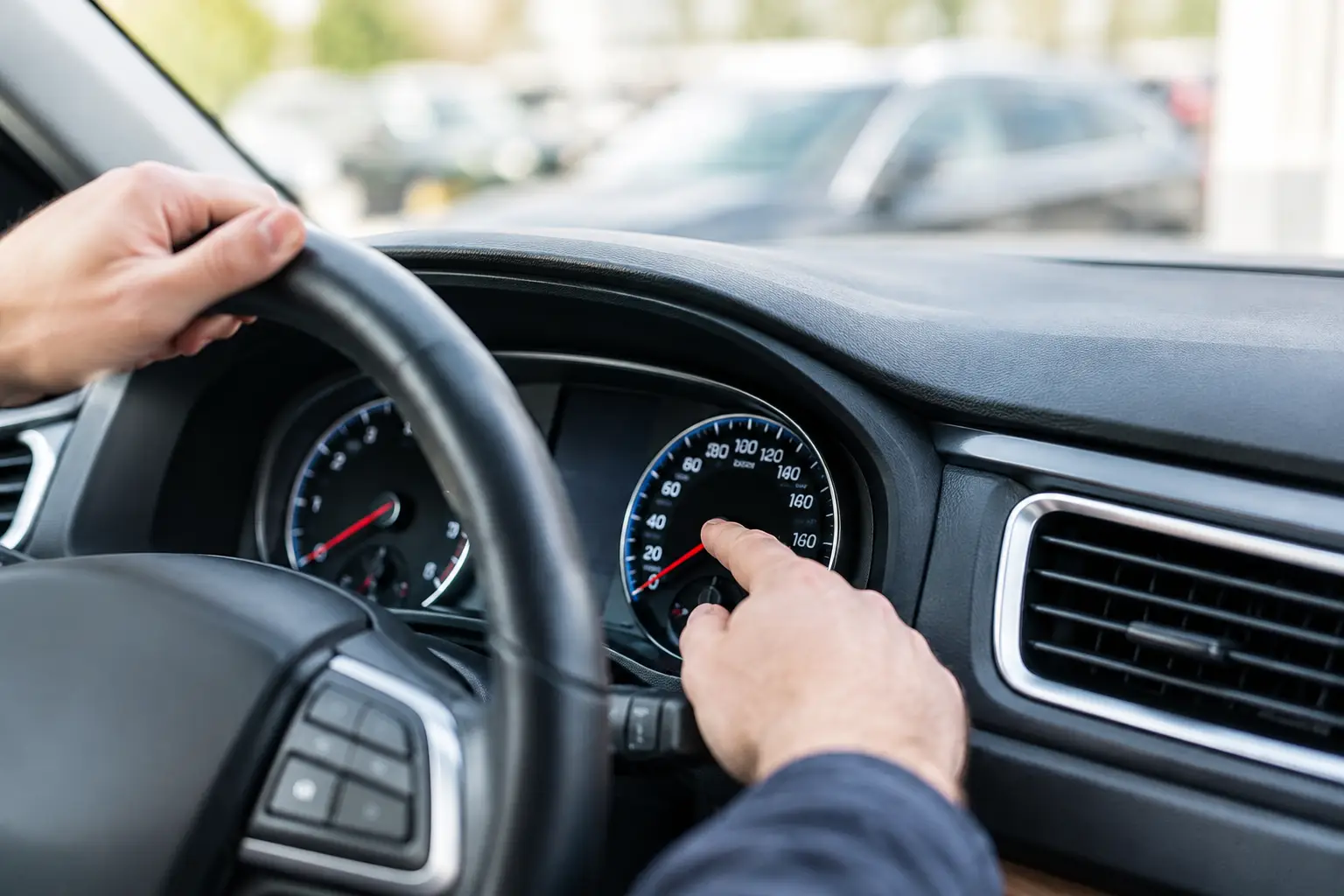
A 2018 pickup with 62,000 miles, a worn-through driver’s seat, polished pedal pads, and a seller who cannot explain the service history is not automatically a bad truck. But it is exactly the kind of mismatch that should make you slow down. Knowing how to spot odometer rollback can keep a bargain-priced used vehicle from becoming an expensive surprise after the paperwork is signed.
Mileage affects value, maintenance planning, financing, warranty coverage, and buyer confidence. Digital odometers are harder to manipulate than older mechanical units, but not impossible. Fraud can involve reprogramming an instrument cluster, swapping clusters, editing electronic records, or simply presenting a vehicle with incomplete history as if there is nothing to check. The smart move is not to rely on one clue. Build a mileage picture from the VIN, documents, condition, and vehicle data.
Start With the Listing, Not the Test Drive
A transparent listing should make it easy to compare the claimed mileage with the rest of the vehicle. Look for a clear odometer reading, VIN, title status, service details, and photos that show more than a freshly washed exterior. A clean, rebuilt, or salvage title does not prove mileage fraud, but title history and repairs can complicate the story. Ask direct questions before you spend time traveling to see the vehicle.
Ask when the seller acquired it, why they are selling, whether the instrument cluster was ever replaced, and whether they have maintenance invoices. A legitimate cluster replacement can happen after a failure, collision repair, or restoration. That is not a deal breaker if the seller can document the old reading, the replacement date, and the mileage recorded at the time. An evasive answer is more concerning than the replacement itself.
Watch for listings that say “mileage exempt,” “odometer discrepancy,” or “true mileage unknown.” Those phrases have specific consequences. A vehicle may be legally exempt from mileage disclosure because of its age, while an odometer discrepancy means the stated mileage may not be accurate. Do not treat either phrase as a routine footnote when pricing the vehicle.
Check the VIN History for Mileage Gaps
Run the VIN through a reputable vehicle-history source and compare every recorded mileage entry. You are looking for a sequence that makes sense over time: registrations, inspections, dealer sales, service visits, emissions testing, auction records, and title transfers should generally show mileage increasing.
A single missing year is not proof of rollback. Some owners use independent shops that do not report mileage, and some states have different inspection requirements. The concern is a clear reversal, such as 118,000 miles at a 2022 service visit followed by 73,000 miles at a 2024 sale, or a vehicle that somehow adds only 2,000 miles during several years of commercial use.
Pay attention to dates as well as numbers. A 10-year-old commuter car with 40,000 documented miles may be real, especially if it belonged to a retiree or was kept as a second vehicle. It should also have records that support that story. Low mileage is not suspicious by itself. Low mileage with no paper trail, heavy wear, and inconsistent history is.
Compare Title and Registration Documents
Request a photo of the title before meeting, when practical, and compare the VIN on the title to the dashboard VIN, door-jamb label, and listing. Review the odometer disclosure section carefully. Depending on the vehicle’s age and state rules, the title may show an actual mileage reading, an exempt designation, or a brand indicating an odometer issue.
Federal odometer-disclosure requirements generally apply to vehicles for their first 20 model years, but titles and state forms vary. If you are unsure what a title brand means, call your state motor-vehicle agency or bring the document to a title professional before completing the deal. Never accept a seller’s explanation that a mismatched VIN or altered title is “just a paperwork issue.”
Let Wear Tell Part of the Story
Condition is supporting evidence, not a mileage meter. A careful owner can preserve a 150,000-mile vehicle remarkably well, while a neglected 40,000-mile vehicle can look tired. Still, normal wear patterns often reveal whether the claimed mileage deserves more scrutiny.
Inspect the driver’s seat bolster, steering wheel texture, shift knob, pedals, ignition area on older vehicles, door handles, window switches, and seat-belt buckle. Look at the driver-side carpet and floor mat, too. Excessive smoothing, cracking, sagging, or replacement parts can indicate heavy use, though detailing or repairs may explain some of it.
Also check the mechanical side. Original brake rotors, suspension components, tires, and underbody condition do not provide an exact mileage count, but they can add context. A vehicle advertised at 35,000 miles with multiple sets of worn-out replacement pedals, a heavily polished steering wheel, and a fleet-style interior should prompt deeper questions. Conversely, a high-mileage highway vehicle may have a surprisingly clean cabin and fewer signs of stop-and-go wear.
Use a Scan Tool, But Know Its Limits
On many modern vehicles, mileage-related data may be stored in more than one module. A professional scan tool can sometimes read values or operating information from the engine control module, transmission module, body control module, ABS system, or other electronics. If one module reports a figure that conflicts with the instrument cluster, that is a major warning sign.
However, scan data is not a universal answer. Some vehicles store mileage only in limited locations, some modules can be replaced, and the readings available depend on make, model, year, and the scan tool used. A basic code reader is often not enough. For a higher-dollar purchase, an independent pre-purchase inspection by a shop familiar with that brand is money well spent.
The technician can inspect for stored faults, module replacement history, recent readiness-monitor resets, fluid condition, underbody damage, and repair quality. That inspection will not guarantee a perfect history, but it can expose inconsistencies that a quick driveway test drive misses.
Review Service Records Like a Timeline
Service invoices are among the best mileage evidence because they tie a date, VIN, work performed, and odometer reading together. Ask for oil-change receipts, dealership repair orders, tire invoices, warranty work, inspection reports, and maintenance logs. Look for consistent handwriting, shop names, and dates that line up with the vehicle’s history.
Be cautious with a neat stack of records that begins only recently or skips several years. Records can be lost, especially with private sellers, so absence alone is not fraud. But a seller claiming meticulous ownership should be able to explain why there is no documentation for major services such as timing-belt replacement, transmission work, or repeated oil changes.
For trucks, cargo vans, and vehicles used for work, mileage should also fit the equipment and usage. Ladder racks, tow hitches, worn cargo floors, fleet decals, or aftermarket telematics mounts may point to a working life that is inconsistent with an unusually low odometer reading. That does not make the vehicle unusable. It means the price and maintenance expectations should reflect the verified facts, not the advertised number.
What to Do When Something Does Not Add Up
Do not accuse the seller on the spot. State the discrepancy clearly and ask for documentation. For example: “The history report shows 96,000 miles in 2021, but the cluster reads 71,000 today. Can you show documentation for a cluster replacement?” A credible seller may have a repair invoice and an explanation that resolves the issue.
If the explanation is incomplete, pause the transaction. Do not send a deposit because the vehicle is “getting lots of interest,” and do not let a low price talk you out of basic verification. An odometer discrepancy can reduce resale value, affect lender decisions, and make future maintenance harder to plan. In many cases, walking away is the lowest-cost decision.
When buying through a marketplace such as AutoDeal, use the available listing details and direct chat to request the VIN, title information, service records, and a time for an independent inspection before making an offer. Sellers who want a smooth sale usually understand why a serious buyer asks.
A used vehicle does not need perfect records to be worth buying. It needs a story that matches the evidence. When the miles, documents, condition, and diagnostics point in the same direction, you can negotiate from facts instead of hope.
 Russian
 English
 French
 Spanish
 Portuguese
 Deutsch
 Turkish
 Dutch
Dutch
 Italiano
 Romaian
 Portuguese (Brazil)
 Greek
Greek
