


 Friendys
 United Ukraine
 Bidfax
 Payments
 GenAp group chat
 Adsline MarketPlace
Prepare Car for Online Sale With Buyer-Ready Proof
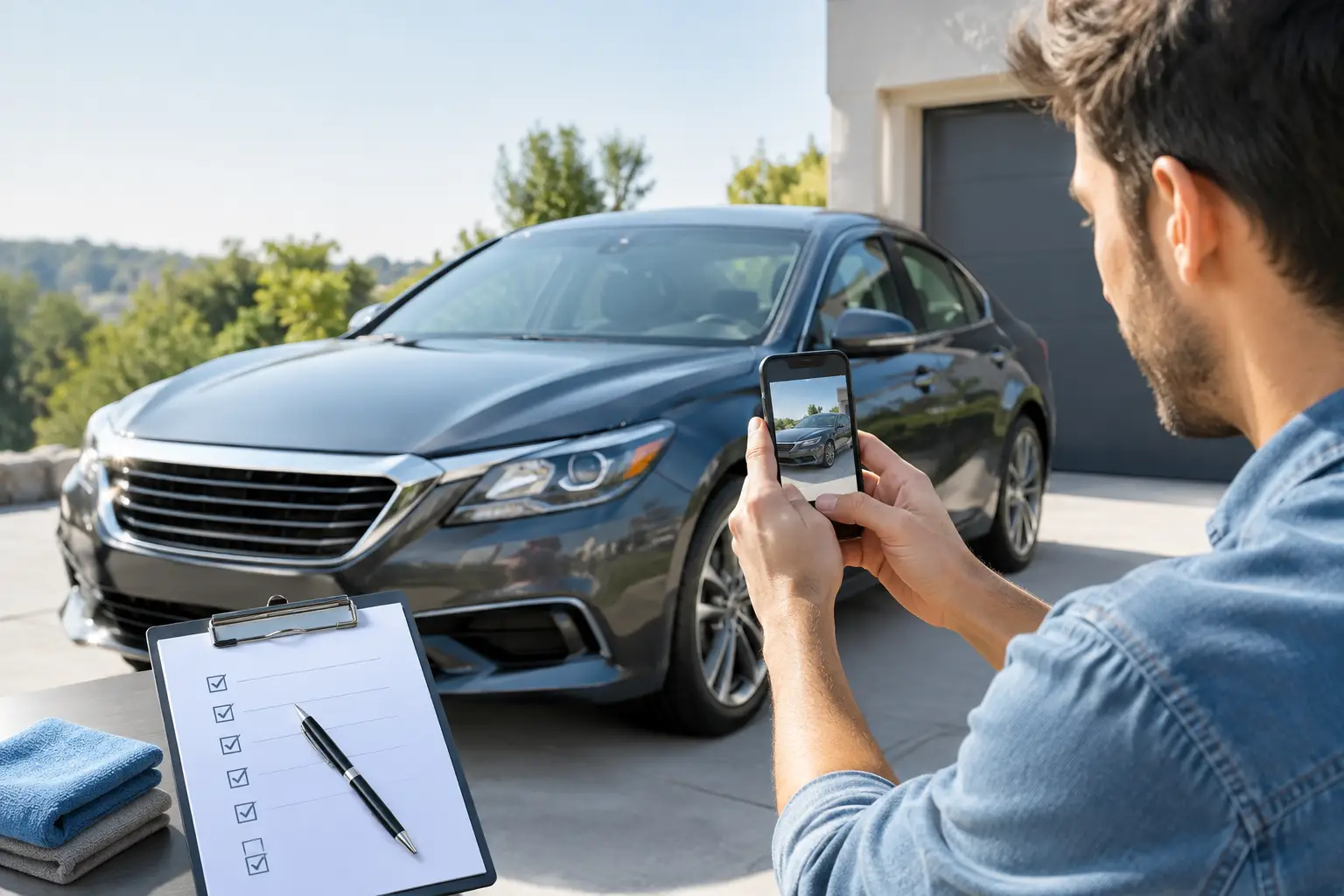
A buyer scrolling listings can spot a rushed sale in seconds: blurry driveway photos, no mileage shown, a vague “runs great” description, and no answer about the title. To prepare car for online sale the right way, treat the listing like a buyer’s first walk-around. Your goal is not to make an older vehicle look new. It is to make the vehicle’s real value easy to verify.
A clean, specific listing brings more serious messages and fewer wasted conversations. It also helps buyers compare your vehicle against similar year, make, model, mileage, drivetrain, and title-status options without guessing what they are getting.
Prepare Car for Online Sale Before Taking Photos
Start with the basics: remove personal items, wash the exterior, vacuum the interior, and clean the glass inside and out. Empty the door pockets, center console, trunk, cargo area, and under-seat storage. Buyers notice the small stuff, including old receipts, pet hair, fast-food wrappers, and a spare key hidden in the console.
Detailing does not mean covering up problems. Avoid heavy tire shine, scented sprays, or fresh paint touch-ups that create more questions than confidence. A clean vehicle with normal wear shown honestly is more credible than one that looks overly staged.
Check the easy operating items before anyone visits. Test the headlights, turn signals, brake lights, horn, wipers, power windows, locks, mirrors, air conditioning, heat, backup camera, infotainment system, Bluetooth, navigation, USB ports, and seat functions. If a feature does not work, mention it. Fixing a burned-out bulb or replacing worn wiper blades may be worthwhile. Paying for major repairs depends on the vehicle’s value, local demand, and the likely return on the repair.
Look at the tires closely. Buyers will ask about tread depth, uneven wear, tire age, and whether the vehicle needs tires soon. If the check-engine light is on, do not erase the code and hope no one notices. Get the code read, understand the issue, and disclose it. The same goes for warning lights, leaks, rough shifting, suspension noise, or a cracked windshield.
Gather the Facts Buyers Will Request
A strong online listing is built on information you can support. Have the title ready and confirm whether it is clean, rebuilt, salvage, lienholder-held, or otherwise branded. If there is a loan on the vehicle, understand the payoff process before advertising it. Do not promise a clean title at pickup if a lender still controls the title and the timing is uncertain.
Collect service records, recent repair invoices, inspection paperwork, emissions paperwork where applicable, manuals, both key fobs, wheel-lock keys, and the spare tire tools. You do not need a perfect folder of every oil change since new, but useful records can support your asking price and show that you have owned the vehicle responsibly.
Write down the details while standing by the car, not from memory. Confirm the exact mileage, trim, engine, drivetrain, transmission, exterior color, interior color, seating capacity, and major equipment. For trucks and vans, include bed length, towing equipment, cargo configuration, roof height, wheelbase, payload-related equipment, and whether shelving or partitions are included. For EVs, provide battery range information carefully, along with charging equipment included and any known battery or charging concerns.
Buyers also want practical features. Mention items such as heated seats, remote start, Apple CarPlay or Android Auto, blind-spot monitoring, adaptive cruise control, leather, third-row seating, roof rails, sunroof, navigation, parking sensors, and backup camera. If a feature is present but unavailable because of a subscription, say so.
Be direct about condition and history
Use plain language for flaws. “Small dent on rear passenger door,” “front bumper scuff,” and “driver seat bolster wear” tell a buyer far more than “normal wear.” Include collision history if you know it, and explain completed repairs without making claims you cannot prove.
A rebuilt or salvage-title vehicle can still attract the right buyer when the listing is straightforward. State the title status near the top, describe the known damage history, show repair photos if available, and price the vehicle accordingly. Hiding a branded title only creates distrust after a buyer runs the VIN or arrives in person.
Take Photos That Answer Questions
Photos are your first sales conversation. Shoot in daylight on a clean background, ideally with the vehicle parked where every side is easy to photograph. Avoid night photos, harsh shadows, dealership-style filters, and screenshots from old ads.
Take at least these photo groups:
- Front, rear, both sides, and all four corners of the exterior
- Front and rear seats, dashboard, steering wheel, center screen, and cargo area
- Odometer, tires, wheels, engine bay, keys, manuals, and included accessories
- Close-ups of dents, scratches, rust, warning lights, upholstery wear, and other disclosed flaws
Photograph the VIN only if you are comfortable sharing it publicly. Many serious buyers will ask for it to check history, specifications, recalls, and title information. If you choose not to post a full VIN in the ad, be ready to share it with qualified buyers who are actively considering the vehicle.
Video can help when it shows something useful: a cold start, walk-around, operating convertible top, power sliding doors, cargo setup, or dashboard with no warning lights. Keep it factual. A shaky one-minute video with loud music rarely adds value.
Price the Vehicle for the Market You Actually Have
Price is not just a number based on what you owe or what you spent on upgrades. Compare vehicles with the same approximate year, trim, mileage, drivetrain, title condition, and region. A clean-title, one-owner SUV with service records is not directly comparable to a rebuilt-title example or one with 40,000 more miles.
Set an asking price that gives you room for realistic negotiation without making the ad look inflated. If you need a firm price, say “price is firm” only when it truly is. If you are open to offers, add boundaries such as “reasonable offers considered after an in-person inspection.” That prevents endless low-ball messages from people who have not read the ad.
Modifications require judgment. Quality maintenance and useful upgrades can help, but they do not always return their full cost. Lift kits, loud exhausts, aftermarket wheels, tuning, wraps, and custom audio may appeal to a narrower audience. Describe modifications accurately and keep factory parts if you have them.
Write a Listing That Saves Everyone Time
Lead with the facts a buyer uses to decide whether to message you: year, make, model, trim, mileage, drivetrain, title status, location, and asking price. Then explain condition, key features, recent maintenance, and known flaws. Avoid claims like “perfect,” “needs nothing,” or “best one online” unless you are ready to defend them in person.
A useful description might read like this: “2018 Honda CR-V EX AWD, 86,420 miles, clean title in hand. Backup camera, heated front seats, sunroof, Bluetooth, Apple CarPlay, new front brake pads, and four matching all-season tires installed last fall. Small scratch on rear bumper and light wear on driver seat. No warning lights. Two keys, manuals, and service receipts included.”
That level of detail gives a buyer something real to respond to. On AutoDeal, it also makes your post easier for people in the marketplace and community to share with friends looking for that exact type of vehicle.
Handle Messages, Test Drives, and Payment Carefully
Reply promptly, but do not hand over sensitive information too early. Answer reasonable questions about condition, VIN, availability, maintenance, and title. Be cautious with requests for verification codes, payment screenshots, third-party shipping arrangements, or buyers who want to send extra money for an “agent” to collect the vehicle. Those are common warning signs.
For an in-person meeting, choose a public, well-lit location when possible and bring another adult. Verify that a test-drive buyer has a valid driver’s license and insurance before handing over the keys. Ride along on the test drive, keep the route reasonable, and do not leave the title or registration in the car.
Agree on payment before signing anything. A bank-based transaction is often the safest route for higher-value sales because funds can be verified. If accepting cash, meet at the buyer’s bank or yours and count it there. Complete a bill of sale with the vehicle details, sale price, date, buyer and seller information, and any required odometer disclosure. Follow your state’s rules for plates, notice of sale, and title transfer.
The best online vehicle sale starts before the listing goes live. Give buyers clear proof, leave room for fair questions, and let the actual condition of the car set the tone. That is how you attract people ready to buy rather than people just looking to scroll.
 Dutch
Dutch
 English
 French
 Spanish
 Portuguese
 Deutsch
 Turkish
 Italiano
 Russian
 Romaian
 Portuguese (Brazil)
 Greek
Greek
