


 Friendys
 United Ukraine
 Bidfax
 Payments
 GenAp group chat
 Adsline MarketPlace
How to Verify Vehicle Liens Before You Buy
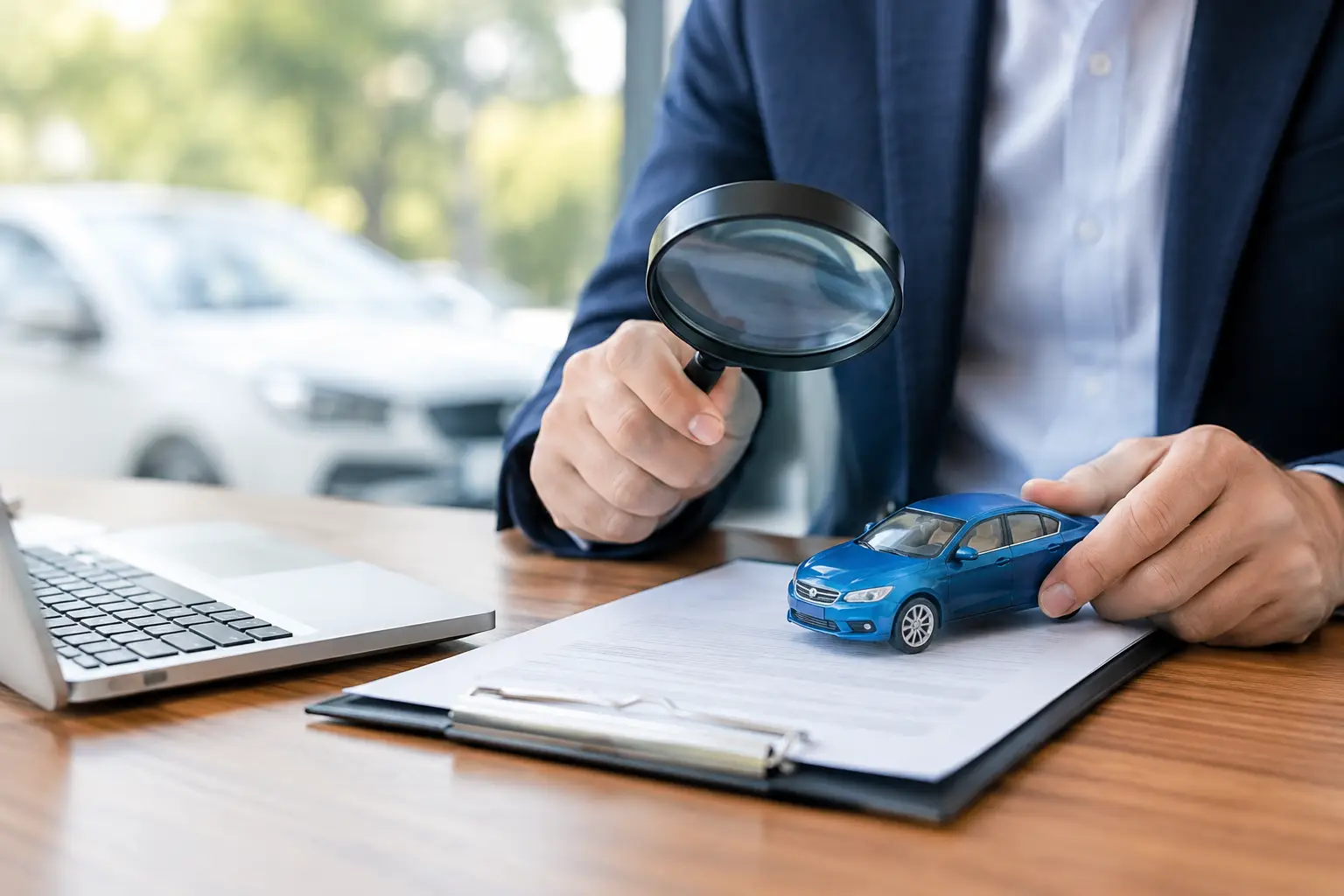
A clean-looking title is not the same thing as a lien-free vehicle. A seller may have the keys, the registration, and a great story about why they are selling, but a lender can still have a legal claim to the car, truck, SUV, or van. Knowing how to verify vehicle liens before money changes hands helps you avoid paying for a vehicle that cannot be titled in your name.
This check matters on every private-party deal, from a low-mileage commuter sedan to a work van with shelves and roof racks. It matters even more when the price is unusually good, the seller says the loan will be paid off after the sale, or the title is being held by a bank or credit union.
What a vehicle lien means for a buyer
A lien is a lender's legal interest in a vehicle used as collateral for a loan. Until that loan is paid off and the lien is released, the lender may have the right to repossess the vehicle if the debt is not paid. The seller may be completely honest and still be unable to deliver clear ownership on the day you buy.
A lien is not automatically a deal-breaker. Many owners sell vehicles with an active auto loan and use the buyer's funds to pay it off. The risk comes from treating that arrangement like a normal cash sale. If you hand the seller the full amount without confirming the payoff process, you could be left waiting for a title release while the lender's claim remains attached to the vehicle.
Also separate liens from title brands. A rebuilt or salvage title describes the vehicle's history and condition status. A lien concerns who has a financial claim to it. A clean-title vehicle can have an active lien, and a rebuilt-title vehicle can be owned free and clear.
How to verify vehicle liens using the VIN
Start by getting the full 17-character vehicle identification number, or VIN. Compare it in person against the VIN plate at the base of the windshield, the driver's door-jamb label, and the title or registration. The numbers must match. If a seller will not provide the VIN before meeting, or the VIN on the paperwork does not match the vehicle, pause the deal.
Your best first stop is the motor vehicle agency in the state where the vehicle is titled. State DMV, secretary of state, or motor vehicle department procedures vary, but many states provide a title-status search, lien lookup, or record request. Some charge a small fee and may limit what is available online. That is normal. Title records are state-managed, so there is no single free nationwide lookup that replaces the state record.
A vehicle history report can also be useful for checking title events, mileage patterns, theft records, prior brands, and whether a lien record appears in its data. Treat it as a supporting tool, not final proof that a lien does not exist. Reporting timing, title transfers between states, and database coverage can create gaps.
If the vehicle was titled in more than one state, focus on the current title state first. Ask the seller where the vehicle is titled now and whether they recently moved. A recently moved vehicle may have paperwork in transition, which is not necessarily suspicious, but it does mean you should allow more time and verify every document carefully.
Read the title, not just the listing
A detailed listing should disclose title status, VIN, known damage, and whether the vehicle is financed. That gives buyers a stronger starting point, but the actual title document is what matters at purchase.
Look at the front and back of the title. Depending on the state, a lienholder may be printed directly on the title, listed in a separate lien section, or recorded electronically. Electronic title systems are common, and a physical title in the seller's hand does not always tell the complete story. Ask when the title was issued and whether it is electronic or paper.
Check that the seller's name matches the owner name on the title. If there are two owners, find out whether both signatures are required. Watch for an open title, where the person selling the vehicle is not the person named as owner. That can complicate registration and may hide an unrecorded transfer. It is usually safer to buy from the titled owner or a licensed dealer that can legally reassign the title.
Do not accept a photocopy as proof of ownership. It can help you review details before meeting, but it is not a substitute for the original title, official electronic-title confirmation, or a proper lien-release document.
If there is a lien, verify the payoff directly
When a seller says there is still a loan, ask for the lender's name, the account payoff process, and a current payoff amount. A loan balance shown in a mobile banking app is not enough. A payoff amount can differ from the visible balance because of daily interest, fees, and the date payment is received.
The safest approach is to meet at the lender's branch or complete the transaction through the lender's verified payoff department. Call a phone number you independently locate, not only a number supplied by the seller. Because of privacy rules, the lender may not disclose account details to you until the seller authorizes the conversation or is present.
For a local bank or credit union, the buyer can often pay the lender directly for the payoff amount. If the sale price exceeds the payoff, the remaining amount goes to the seller after the lender confirms the release process. Get a receipt showing the vehicle VIN, the payment amount, the date, and that the payment is being applied to the seller's auto loan.
For an out-of-state lender or an online lender, the process may require a wire, cashier's check, escrow service, or documented overnight payoff. This can still work, but it adds timing risk. Ask exactly when the lien release will be issued, who will receive it, and whether the lender will send the title directly to you or to the seller. Do not rely on vague promises that the title will arrive "soon."
Documents to collect before you pay
A clean transaction leaves a paper trail. Before completing the deal, make sure you have the original title or verified electronic-title transfer instructions, a signed bill of sale, and any lien-release paperwork. The bill of sale should include the buyer and seller names, date, purchase price, VIN, year, make, model, odometer reading where required, and a statement of the vehicle's title status.
If a lien is being paid off as part of the deal, keep copies of the payoff quote, lender receipt, and written release terms. Take clear photos of the title, VIN plate, seller ID, and signed documents for your records. That may feel formal for a driveway sale, but it is much easier than reconstructing the deal after a dispute.
Avoid paying in full before the ownership path is clear. Cash is fast but offers little protection once it is handed over. A cashier's check payable directly to the lienholder can create a better record. For higher-dollar deals, an escrow arrangement or a transaction at a lender branch may be worth the extra coordination.
Red flags that should stop the deal
Some issues deserve questions. Others deserve a firm walk-away. Stop and verify further if the seller cannot show a title, says the title is lost but wants payment today, asks you to send money before you see the vehicle, or refuses to share the VIN.
Be cautious when the listed owner is absent, the seller says they are selling for a friend, the title shows alterations, or the lender information does not match the paperwork. Another major warning sign is pressure: "Someone else is coming in an hour" is not a reason to skip title verification.
A low price can have a legitimate explanation, especially for a higher-mileage vehicle, a salvage or rebuilt title, mechanical needs, or a quick commercial fleet sale. But a low price combined with unclear title paperwork changes the risk. There will be another deal.
Make lien verification part of every vehicle check
Build this into the same routine you use to inspect tires, confirm mileage, test the backup camera, scan service records, and compare the VIN on the vehicle to the listing. When you buy through a marketplace such as AutoDeal, use the direct seller conversation to ask early: Is the title in your name? Is there an active lien? Which state issued the title? Can we complete payoff at the lender if needed?
A serious seller should expect those questions. Clear answers, matching VIN records, and a documented payoff path are signs of a transaction that can move forward. If any piece stays unclear, keep your money in your account until the title and lien details catch up.
 Turkish
 English
 French
 Spanish
 Portuguese
 Deutsch
 Dutch
Dutch
 Italiano
 Russian
 Romaian
 Portuguese (Brazil)
 Greek
Greek
