


 Friendys
 United Ukraine
 Bidfax
 Payments
 GenAp group chat
 Adsline MarketPlace
Buying a Car Remotely Without Costly Surprises
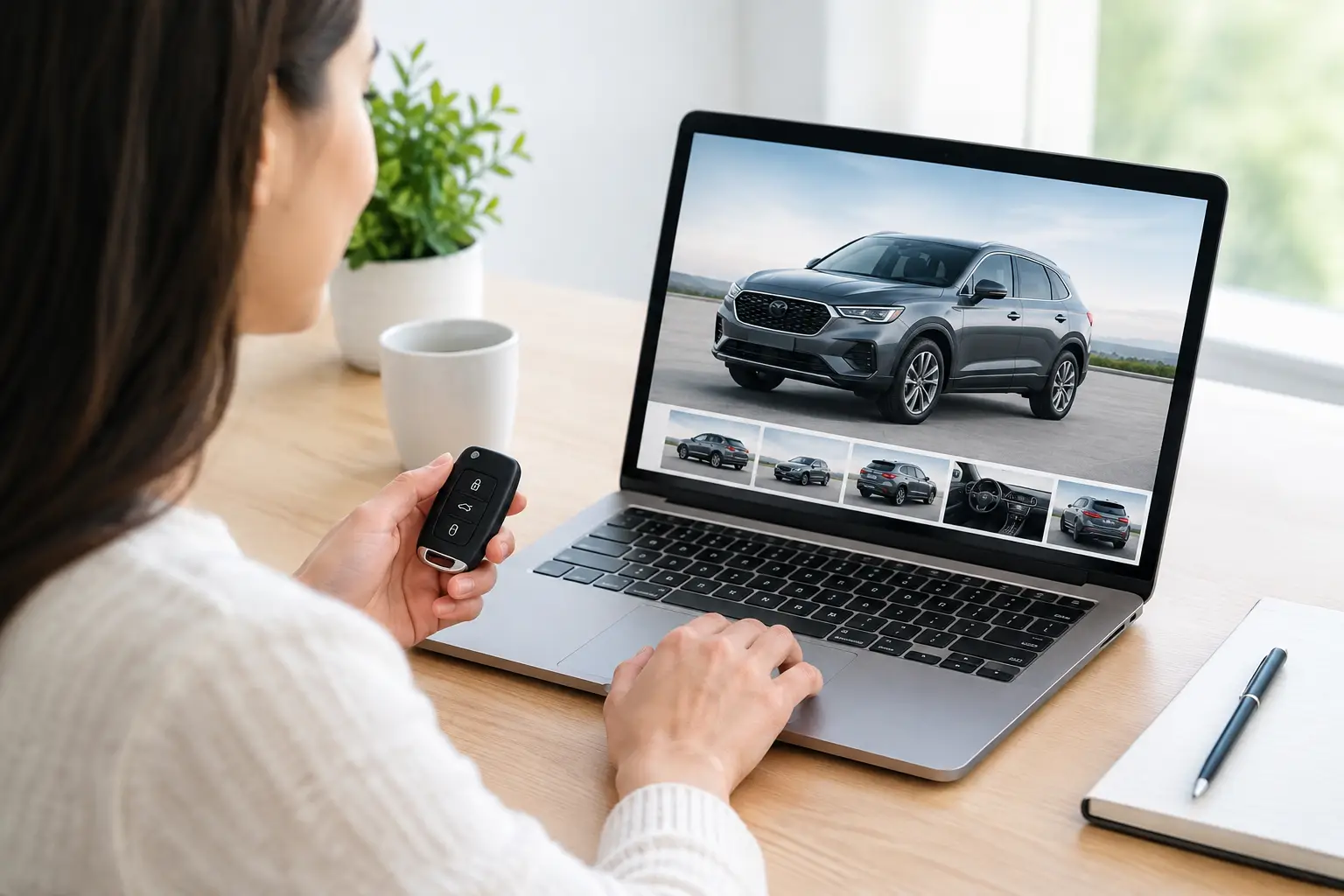
A clean-looking listing can travel farther than the vehicle itself. That is the advantage and the risk of buying a car remotely: you can compare inventory beyond your local radius, find the right trim or price, and avoid a weekend of dealership hopping. But photos, a VIN, and a quick phone call are not a substitute for verifying the vehicle before money changes hands.
A remote purchase works best when you treat the listing as the start of your inspection process, not the finish. Whether you are shopping for a commuter sedan, work van, lifted truck, EV, or rebuilt-title project, get the facts in writing and build your deal around the vehicle's real condition.
Start With a Listing You Can Actually Evaluate
Good remote deals begin with detailed listings. Look beyond the year, make, model, and asking price. Mileage, trim, drivetrain, engine, transmission, title status, location, and VIN should be easy to find. A seller who provides those basics upfront is not automatically trustworthy, but they make it easier for you to verify what is being offered.
Study the photos like an inspection report. You want clear shots of every side, the roof, wheels, tire tread, seats, dash, cargo area, engine bay, underbody if available, and all known damage. Zoom in on panel gaps, paint texture, steering-wheel wear, seat bolsters, warning lights, and the tires. A 45,000-mile vehicle with heavily worn controls or bald tires deserves follow-up questions.
Equipment matters too. Confirm whether features shown are actually included: backup camera, navigation, Bluetooth, heated seats, towing package, third-row seating, adaptive cruise control, charging cable, ladder racks, or cargo partitions. On commercial vehicles, ask for payload, wheelbase, roof height, upfit details, and whether shelving or equipment stays with the van.
If the listing leaves major gaps, ask directly. Request current photos rather than relying only on images that may be months old. Ask whether the vehicle is still financed, whether it has ever had flood or fire damage, and whether there are known mechanical issues. Keep the answers in the message thread.
Verify the VIN, Title, and Vehicle History
The VIN is the vehicle's identity. Compare it across the listing, dashboard plate, driver's-door label, registration, title, and any history report you order. A mismatch can be a simple listing error, but it can also signal a problem serious enough to end the conversation.
A vehicle history report can reveal prior registrations, reported accidents, title brands, recalls, odometer entries, and auction history. It is useful evidence, not a guarantee. Not every repair, collision, service visit, or damage event gets reported. Pair it with service records and an independent inspection whenever possible.
Title status deserves special attention. A clean title does not mean a perfect car, and a rebuilt title does not automatically mean a bad one. The question is whether the price reflects the history and whether the repair work can be documented. For rebuilt or salvage vehicles, request pre-repair photos, repair invoices, alignment records, airbag documentation, and photos of the underbody. Insurance availability and resale value may be different, so check those before committing.
If there is a lien, do not assume the seller can sign over a clean title immediately. Ask which lender holds it, what the payoff process is, and how the lien release will be handled. A legitimate seller should be comfortable explaining the timeline.
How to Inspect a Car When You Are Not There
A live video walkaround is your first remote inspection. Ask the seller to start the vehicle cold, show the dashboard at startup, let it idle, and demonstrate the lights, windows, climate controls, camera, infotainment, and key fobs. Have them show the odometer and any warning lights without cutting away from the video.
Then move to the details a polished listing can hide. Ask for close video of paint imperfections, wheel rash, tire date codes, windshield chips, seat wear, engine noise, exhaust smoke, leaks, and the underside. For an EV or plug-in hybrid, ask for a current battery-health report if available, charging behavior, range estimate, charging cable condition, and confirmation of any transferable battery coverage.
A test drive by video can help, especially if the seller records acceleration, braking, steering-wheel position, highway speed, and rough-road noise. It still cannot replace an independent pre-purchase inspection. Hire a qualified local mechanic or inspection service that has no connection to the seller. Give them a checklist based on the exact vehicle: frame and suspension condition for trucks, battery and cooling systems for EVs, transmission behavior for high-mileage vehicles, or rust inspection for vehicles from snow-belt states.
Do not skip the inspection simply because the vehicle is newer or sold by a dealer. Newer vehicles can have prior damage, neglected maintenance, or remaining recall work. If a seller refuses reasonable access for an inspection, treat that as deal-changing information.
Set the Terms Before You Send Money
The safest remote transaction is specific. Before placing a deposit, agree on the out-the-door price, taxes and fees if applicable, deposit amount, payment method, title status, delivery method, and what happens if the car materially differs from the listing or inspection report.
Avoid payment methods that give you no recourse or create pressure to act fast. Wire transfers are common in legitimate vehicle transactions, but they are difficult to reverse if something goes wrong. Verify the recipient independently before sending funds. Do not rely on a phone number supplied only in a suspicious email or text.
A deposit should be documented. Get a written agreement that identifies the vehicle by VIN, states whether the deposit is refundable, and says what conditions allow either party to cancel. If the vehicle is held pending inspection, put that in writing. A seller who says, "Send it now or someone else gets it," may be describing real demand, but urgency is not a reason to ignore your process.
For a private-party purchase, use a signed bill of sale with the legal names of buyer and seller, purchase price, date, mileage, VIN, and any disclosures. Confirm the title is signed correctly for the state where it is titled. Errors on a title can delay registration and create a frustrating follow-up with a seller who is now hundreds of miles away.
Arrange Shipping or Pickup With Clear Handover Rules
Shipping is convenient, but it adds another inspection point. Obtain carrier details, insurance coverage, pickup window, delivery window, and the full transport price before booking. Be cautious if a seller insists on using one unknown carrier or asks you to pay a separate party without paperwork.
At pickup, the carrier should create a condition report, often called a bill of lading. Ask for photos taken at pickup and delivery. Compare the vehicle's condition against the pickup report before signing at delivery. If new damage appears, note it on the paperwork immediately and photograph it from several angles.
If you are flying or driving in to collect the car, do not book nonrefundable travel until the title, VIN, inspection, and payment plan are settled. Ideally, see the vehicle, inspect it again, complete the paperwork, and transfer funds in a way both parties can verify before you leave with it.
Use Community Signals, Not Just Seller Claims
Remote buying does not have to mean buying alone. On a marketplace with profiles, direct chat, groups, and automotive discussion, you can look for more than a single listing. A seller or dealer with a consistent presence, clear vehicle posts, and straightforward responses gives you more context than an anonymous ad with three blurry photos.
AutoDeal users can use direct conversation to request missing details, compare similar vehicles, and ask fellow enthusiasts about common issues with a specific model. Community feedback is useful for research, but it should support your own verification rather than replace it. Nobody online can inspect the car for you.
The strongest remote deals are not built on trust alone. They are built on clear photos, matching VIN records, documented condition, an independent inspection, written terms, and a handover plan that leaves nothing assumed. If a seller makes those steps easy, you may have found a vehicle worth pursuing. If they make them difficult, keep searching - the right car is not the one that forces you to take unnecessary risks.
 Dutch
 English
 French
 Spanish
 Portuguese
 Deutsch
 Turkish
 Italiano
 Russian
 Romaian
 Portuguese (Brazil)
 Greek
