


 Friendys
 United Ukraine
 Bidfax
 Plăţile
 GenAp group chat
 Adsline MarketPlace
Pre Purchase Inspection Checklist for Used Cars
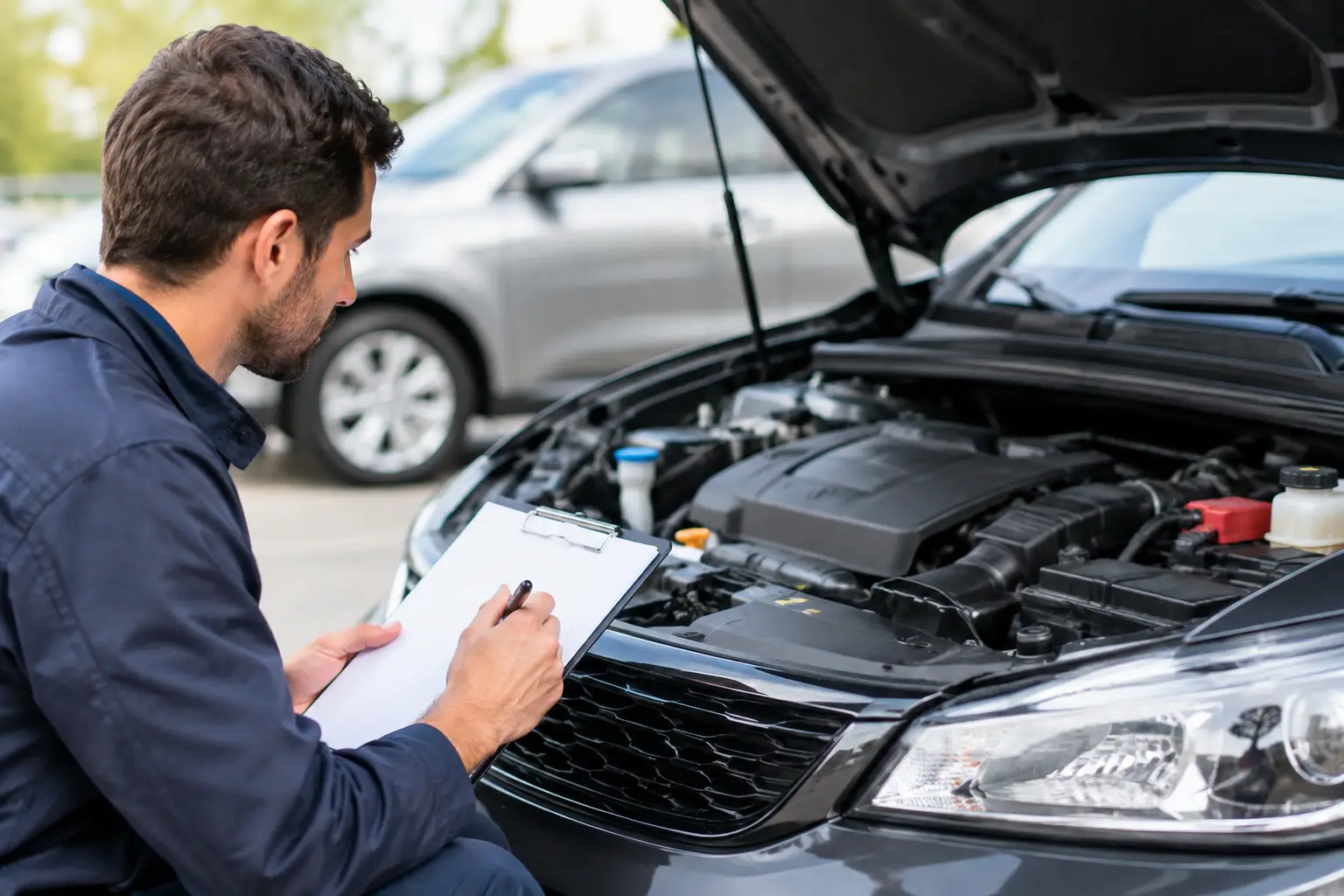
A clean-looking vehicle, a low asking price, and a seller who says it “runs great” can all be real - and still leave you with expensive surprises. A pre purchase inspection checklist gives you a repeatable way to verify the details that matter before money changes hands. Use it for private-party listings, dealer inventory, rebuilt-title vehicles, work vans, trucks, and newer cars with advanced features.
The goal is not to find a flawless used vehicle. It is to understand its actual condition, confirm that the listing matches reality, and price any known repairs into your offer. A 10-year-old SUV with worn tires may still be a smart buy. A newer sedan with warning lights, mismatched VIN information, and vague answers about damage is a different conversation.
Start Before You See the Vehicle
A good inspection begins while you are still messaging the seller. Ask for the VIN, current mileage, title status, number of keys, service records, and a clear answer on known mechanical issues. If the vehicle has a rebuilt or salvage title, ask what caused the branding, whether airbags deployed, who completed repairs, and whether photos from before the repair are available.
Compare those answers with the listing details. Watch for small conflicts: a vehicle described as all-wheel drive that is actually front-wheel drive, an advertised backup camera that does not work, or mileage that differs from the dash photo. These do not automatically end the deal, but they justify more questions.
Confirm who is selling the vehicle. The person on the title should generally be the person taking payment. If a seller says they are handling the sale for a family member, friend, or customer, slow down until the paperwork is clear. A good deal is not worth a title transfer problem.
Pre Purchase Inspection Checklist: Documents and Identity
Bring a flashlight, paper towels, a tire-pressure gauge, and a scan tool if you know how to use one. More importantly, give yourself enough daylight and enough time. Never inspect a vehicle in a rush because another buyer is supposedly on the way.
Check the following before focusing on cosmetic details:
- Match the VIN on the dashboard, driver-door label, title, registration, and any service paperwork. VIN plates should not look scratched, loose, altered, or freshly replaced.
- Confirm the title is present, matches the seller’s name, and shows the correct VIN. Check whether it is clean, rebuilt, salvage, flood, lemon-law buyback, or another branded status.
- Look at the odometer and compare it with the listing, title records, service stickers, and wear on the steering wheel, pedals, driver seat, and buttons.
- Review maintenance records for oil changes, transmission service, timing-belt replacement where applicable, brakes, tires, battery replacement, and major repairs.
- Ask whether there is a loan payoff, lien, lease balance, or any other claim on the vehicle. Do not assume a signed title means there is no remaining financial interest.
For commercial vans and trucks, ask about towing, delivery routes, fleet use, idle hours, payload use, and modifications. Mileage tells only part of the story. A van that spent years carrying heavy loads in stop-and-go traffic may have more wear than its odometer suggests.
Check the Exterior for More Than Scratches
Walk around the vehicle slowly from several angles. Look for differences in paint shade, overspray on trim, uneven body gaps, ripples in panels, and doors or liftgates that need extra force to close. These can point to prior collision repair. Quality repairs are possible, but the vehicle should be priced and disclosed accordingly.
Check the windshield and glass for cracks, chips in the driver’s field of view, fogging, or poorly fitted replacement glass. Test headlights, brake lights, turn signals, reverse lights, fog lights, and license-plate lights. Cloudy headlights are common, but moisture inside a lamp can indicate a failed seal.
Tires are one of the fastest condition checks. Look for uneven tread wear, sidewall cracks, bulges, plugs near the sidewall, and four tires that do not match in size or type. Uneven inner-edge wear can be easy to miss, so turn the front wheels and look behind the tire. It may indicate alignment, suspension, or steering issues.
Also look under the vehicle before a test drive. Fresh oil, coolant, transmission fluid, or water could be harmless - or could reveal an active leak. A spotless, recently sprayed undercarriage deserves a closer look, especially on older vehicles or vehicles from snowy regions.
Inspect the Interior and Every Major Feature
The cabin should support the mileage and condition described in the listing. Heavy wear on the driver seat, pedals, and steering wheel does not prove anything by itself, but it is useful context. Smell the interior before using air freshener as an excuse. Persistent mildew, a sweet coolant odor, strong fuel smell, or signs of water under the carpets need follow-up.
Turn the key or press the start button and watch the instrument cluster. Warning lights should illuminate briefly during the self-check, then turn off after startup. A check-engine, airbag, ABS, battery, oil-pressure, or transmission warning light should be diagnosed before purchase, not explained away after it appears.
Test the equipment advertised in the listing. That includes air conditioning and heat, windows, locks, mirrors, seat adjustments, heated or ventilated seats, infotainment, Bluetooth, navigation, cameras, parking sensors, power liftgate, sunroof, and USB ports. On EVs and hybrids, verify charging equipment, charging-port operation, displayed range, battery-health information if available, and whether the vehicle can charge normally.
Do not forget basic practical items: both keys or fobs, spare tire or inflation kit, jack, owner’s manual, cargo covers, third-row seats, and roof-rack components. Replacing a missing fob or specialty accessory can cost more than expected.
Under the Hood: Look, Listen, and Ask
Inspect the engine bay with the engine off and cool if possible. Look for fluid leaks, brittle hoses, corroded battery terminals, damaged wiring, loose caps, and signs of rodent activity. Check fluid levels and condition when accessible. Burnt-smelling transmission fluid, milky engine oil, or contaminated coolant deserves professional diagnosis.
Start the vehicle cold. A seller who has warmed it up before you arrive may have a reasonable explanation, but a cold start reveals more. Listen for prolonged cranking, rattles, tapping, smoke, rough idle, or an engine that immediately surges or stalls.
Do not remove a radiator cap on a hot engine. Do not put your hands near belts, fans, or moving components. A visual check can catch obvious concerns, but a qualified mechanic should handle deeper diagnosis.
Make the Test Drive Do Real Work
A five-minute loop around the block is not enough. Drive on local streets and, when safe, at highway speed. Keep the radio off for part of the drive. The vehicle should accelerate smoothly, track straight, brake without pulling or vibration, and shift consistently.
Pay attention to steering play, clunks over bumps, wheel vibration, humming that rises with speed, brake pedal feel, and transmission hesitation. Test the parking brake. Use the climate controls. Try the cameras and driver-assistance features in a safe setting, but do not rely on them as a substitute for normal attention.
After the drive, look underneath again and let the engine idle for a few minutes. Check for new drips, overheating, fans running abnormally, or warning lights that appeared during the drive. If the seller objects to a reasonable test drive or refuses to let you drive, treat that as useful information.
Get an Independent Mechanic’s Inspection
Your own checklist is the first filter, not the final verdict. Before you commit, arrange a pre-purchase inspection with an independent repair shop or a mobile mechanic. This matters even for vehicles that look excellent and have clean history reports. A lift inspection can reveal rust, leaking seals, damaged suspension components, previous structural repairs, and brake or tire wear you cannot see in a parking lot.
For a performance vehicle, diesel truck, luxury model, EV, or rebuilt-title vehicle, choose a technician familiar with that type of vehicle. The inspection cost is usually small compared with an engine, transmission, battery-pack, or structural-repair bill. If a seller will not allow a professional inspection, either walk away or price the vehicle as an unknown-risk purchase.
Ask the mechanic for a written list separating urgent safety repairs, near-term maintenance, and items to monitor. That gives you a realistic basis for negotiation. It also prevents the common mistake of treating every recommended service as a deal-breaker.
Use What You Find to Make a Better Offer
Condition affects value as much as year and mileage. A vehicle with strong records, good tires, no warning lights, working equipment, and a clean inspection can justify a firmer price. One that needs brakes, tires, suspension work, AC repair, or title-related research should leave room in the deal for those costs.
Keep the conversation factual. Instead of saying the vehicle feels overpriced, point to the inspection results: front brakes are near replacement, two tires are worn unevenly, and the shop found a valve-cover leak. Sellers are more likely to negotiate when the numbers are specific.
Listings, chat history, and community feedback can help you narrow the field, but the vehicle in front of you is the one you are buying. Take your time, keep the paperwork clean, and let the inspection decide whether you make an offer, renegotiate, or move on to the next listing.
 Romaian
 English
 French
 Spanish
 Portuguese
 Deutsch
 Turkish
 Dutch
 Italiano
 Russian
 Portuguese (Brazil)
 Greek
