


 Friendys
 United Ukraine
 Bidfax
 Πληρωμές
 GenAp group chat
 Adsline MarketPlace
Gas Versus Hybrid SUVs: Which One Fits You?
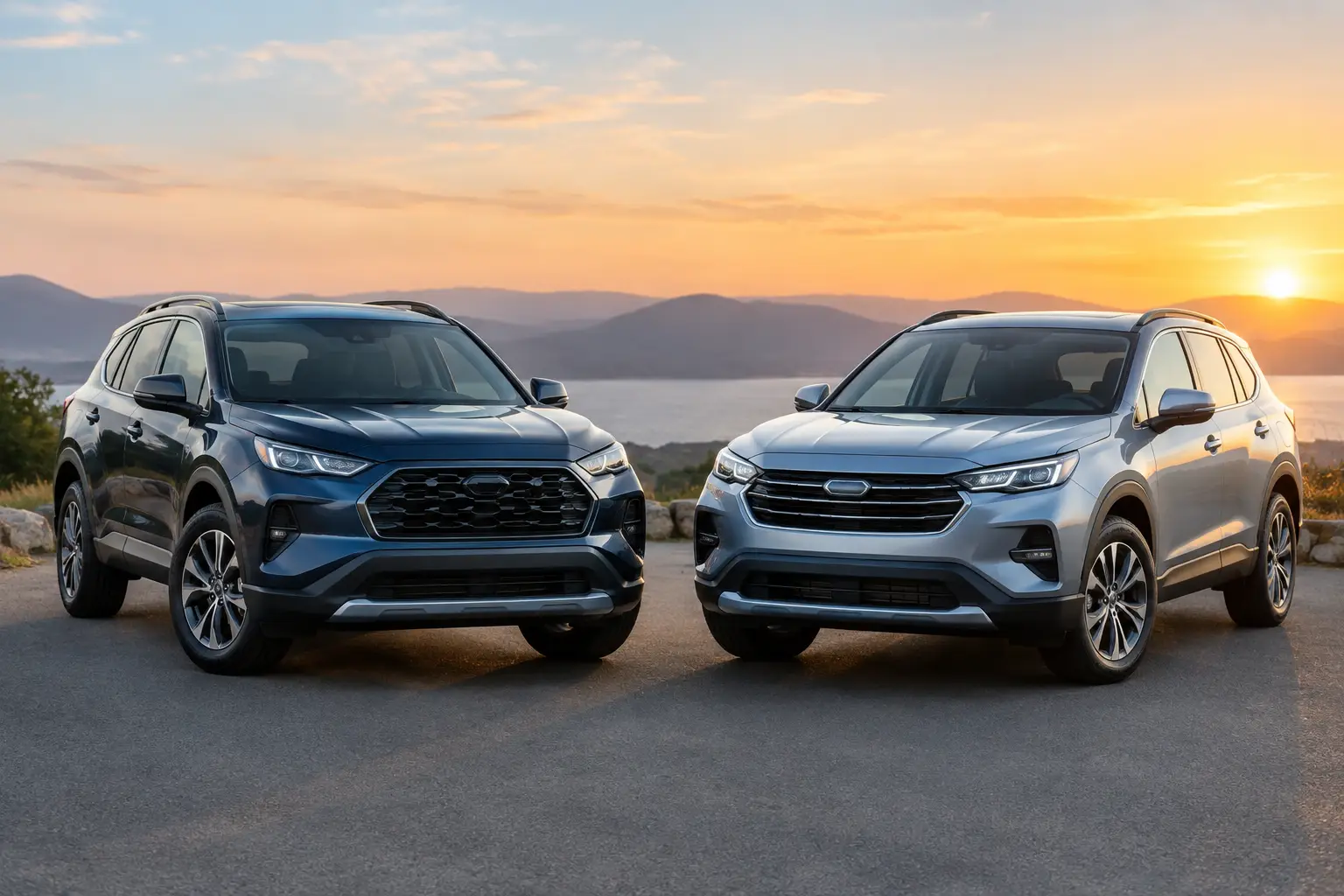
A lower fuel bill can make a hybrid SUV look like the obvious win. Then you find a clean, well-equipped gas model with lower mileage, a stronger towing rating, and a price that leaves thousands in your pocket. That is why gas versus hybrid SUVs is not a simple mpg comparison. The better buy depends on how you drive, what you haul, how long you plan to keep it, and the actual condition of the vehicle in front of you.
For used-car shoppers especially, the badge on the liftgate is only the starting point. A documented service history, accident disclosures, tire condition, trim level, and drivetrain can matter more to your deal than the powertrain alone.
Gas Versus Hybrid SUVs: Start With Your Driving
Hybrid SUVs save the most fuel in stop-and-go traffic, suburban errands, school runs, and commuting with frequent braking. Their battery and electric motor can move the vehicle at low speeds or assist the engine during acceleration. Regenerative braking recaptures some energy that a conventional gas SUV turns into heat at the brakes.
If most of your miles happen in city traffic, that advantage is real. A hybrid can also be noticeably quieter when pulling away from a light or creeping through a parking lot. Drivers who rack up 15,000 to 20,000 miles per year can often see meaningful savings, particularly when gas prices rise.
Highway-heavy drivers need to look closer. Hybrids still tend to use less fuel, but the gap can shrink at steady interstate speeds because the gas engine does more of the work. A newer turbocharged gas SUV, especially in front-wheel-drive form, may return mileage close enough to a hybrid that the higher purchase price takes years to recover.
Your climate matters too. Cold weather reduces battery efficiency and forces the engine to run more often for cabin heat. Short winter trips can make a hybrid's real-world fuel economy less impressive than its window-sticker figure. That does not make it a bad choice. It simply means your local conditions belong in the math.
Compare the Purchase Price Before the MPG Claim
A hybrid version of the same SUV usually costs more when new, and the used market often preserves part of that premium. Sometimes that premium is reasonable because demand is strong and fuel savings are proven. Sometimes a gas version represents the smarter value because it has lower miles, better maintenance records, or more useful equipment for the same money.
Do not compare only monthly payments. Compare the out-the-door price, insurance quote, expected fuel cost, registration fees, financing rate, and the cash you will need for immediate maintenance. A less expensive gas SUV that needs tires, brakes, and a major fluid service is not automatically the bargain it appears to be.
Here is a practical way to frame the decision. Estimate your annual miles, then use realistic local fuel prices and combined fuel-economy ratings for the exact model years you are considering. Calculate annual fuel cost for each vehicle. Next, divide the hybrid's extra purchase cost by the yearly fuel savings. That gives you a rough payback period.
If the hybrid costs $4,000 more and saves $800 a year in fuel, the fuel-price difference takes about five years to recover. If you expect to keep it for eight years, that can work well. If you trade every two or three years, a lower-cost gas SUV may be the cleaner deal unless its resale value is weaker.
Equipment Can Change the Value Equation
Do not assume two SUVs are comparable because they share a model name. A gas base trim may lack the features you want, while a hybrid may include standard driver-assist equipment, a power liftgate, heated seats, all-wheel drive, or a larger screen. On the other hand, a gas trim with the right packages may offer more comfort and utility for less money.
Read each listing for the full configuration. Check seating capacity, cargo area, drivetrain, wheel size, roof rails, towing package, cameras, navigation, remote start, and spare-tire setup. Those details affect daily usefulness and resale just as much as fuel economy.
Maintenance, Batteries, and Long-Term Risk
Many shoppers hear “hybrid” and immediately worry about a costly battery replacement. The concern is fair, but it needs context. Hybrid batteries are designed for long service life, and many hold up well beyond their original warranty period. Hybrid systems also have fewer traditional wear points in some areas. Regenerative braking can extend brake-pad life, and there is no conventional starter or alternator in many hybrid designs.
Still, a used hybrid deserves careful inspection. Ask whether the vehicle has any dashboard warnings, whether the hybrid battery has been tested, and whether there are service records for cooling systems, brakes, and scheduled maintenance. A scan for trouble codes is valuable, even when no warning light is on. If a seller cannot answer basic maintenance questions, factor that uncertainty into your offer.
Gas SUVs are familiar to more repair shops and may have lower-cost parts availability, particularly for older models. But “simple” does not always mean inexpensive. Turbocharged engines, direct injection, all-wheel-drive systems, and advanced transmissions can create their own repair bills. A naturally aspirated gas SUV with a solid service record may be a low-risk choice, while a neglected hybrid can be a problem. The opposite can also be true.
For either powertrain, condition wins. Check for fluid leaks, uneven tire wear, rough shifting, overheating history, warning lights, collision repairs, flood exposure, and incomplete maintenance. If you are evaluating a rebuilt or salvage-title SUV, inspect the quality of repairs and confirm that safety systems, sensors, and airbags were properly restored. A hybrid system should never get a pass just because the exterior looks clean.
Towing, Cargo, and All-Wheel Drive
Gas SUVs often have the advantage for towing, especially when equipped with a larger engine, cooling upgrades, and a factory tow package. Some hybrids are rated to tow a useful amount, but ratings vary widely by model, drivetrain, and trim. Never assume the rating from a gas version applies to the hybrid version.
If you pull a boat, enclosed trailer, utility trailer, or camper several times a year, check the exact towing capacity in the owner's manual or vehicle specifications. Also look at payload. Passengers, cargo, tongue weight, and aftermarket accessories all count against it. A hybrid can be excellent for light towing and daily errands, but frequent heavy towing may favor a gas model built for that job.
Cargo space is usually close between gas and hybrid variants, though battery packaging can reduce underfloor storage or change the spare-tire arrangement. If you carry tools, strollers, dog crates, sports gear, or inventory for your business, open the liftgate and inspect the usable space instead of relying on a single cubic-foot number.
All-wheel drive is available on many gas and hybrid SUVs, but it can affect fuel economy, price, and maintenance. For snow-belt drivers, AWD may be worth it. For drivers in mild climates, front-wheel drive plus quality tires may offer a better value. The right tire condition matters more than many buyers realize, so check tread depth and tire age before closing a deal.
Resale Value and How to Shop the Listing
Hybrid SUVs can retain value well when fuel prices are high and buyers are actively seeking efficient family vehicles. Popular models with strong reliability records often have a deep resale market. Gas SUVs can also hold value exceptionally well, especially proven midsize and three-row models with towing ability, desirable trims, and clean histories.
When comparing listings, look beyond the asking price. Verify the VIN, title status, mileage, number of owners if available, service documentation, open recalls, and disclosed damage. Ask for clear photos of the tires, cargo area, engine bay, instrument panel with the vehicle running, and any cosmetic flaws. For hybrids, request a photo showing no warning messages and ask directly about battery or hybrid-system repairs.
Use the marketplace conversation to get specifics before you spend time traveling. A direct question about title status, recent repairs, included keys, charging equipment for plug-in hybrids, or seller flexibility can separate a solid lead from a vague listing fast. On AutoDeal, detailed specs and direct chat make it easier to compare the actual vehicles, not just their advertised fuel economy.
The best SUV is the one that matches your miles and arrives with proof behind its condition. Buy the hybrid if its fuel savings, price, and history fit your ownership plan. Buy the gas SUV if it delivers more capability or a better-maintained vehicle for your budget. Either way, a transparent listing and a thorough inspection are worth more than a powertrain label.
 Greek
 English
 French
 Spanish
 Portuguese
 Deutsch
 Turkish
 Dutch
 Italiano
 Russian
 Romaian
 Portuguese (Brazil)
