


 Friendys
 United Ukraine
 Bidfax
 Pagamenti
 GenAp group chat
 Adsline MarketPlace
How to Identify Flood Cars Before You Buy
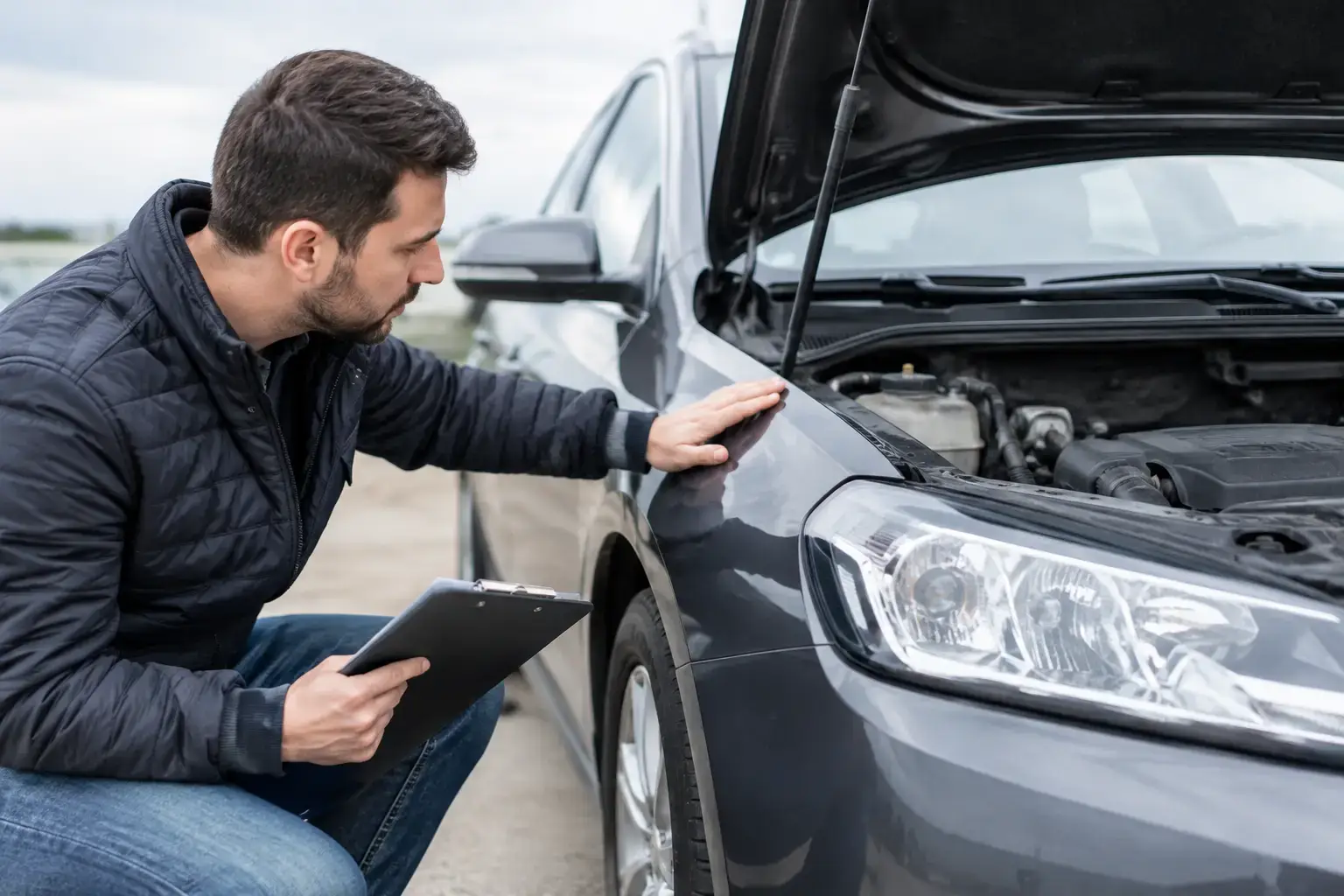
A used SUV can look spotless after a detail, smell like fresh leather, and still have mud packed behind its dashboard. That is why knowing how to identify flood cars matters before you hand over a deposit, accept a trade, or price a vehicle for resale. Water damage is not always obvious on a test drive. It can show up months later as electrical faults, mold, corroded brake components, or an airbag warning light that will not stay off.
Flood exposure does not automatically make a vehicle worthless. A properly disclosed, professionally repaired vehicle may fit a buyer who understands the risk and pays the right price. The problem is undisclosed damage. A clean title, low mileage, and glossy photos are not proof that a car was never underwater.
How to Identify Flood Cars Before a Test Drive
Start with the listing, not the vehicle. Review the VIN, title status, mileage, photos, location, and damage disclosure. If a seller will not provide the VIN before you meet, treats basic condition questions as an inconvenience, or pushes for immediate payment, move on.
A vehicle history report can reveal a flood brand, salvage history, insurance claim, auction record, title transfer, or an unusually fast move between states. Still, history reports have limits. Damage is only shown when it was reported to the sources feeding that record. An uninsured vehicle, a private repair, or delayed title paperwork can leave gaps.
Look for details that do not line up. A ten-year-old car with unusually new carpet, seat upholstery, door panels, and trunk liner deserves a closer look. Fresh interior work can be legitimate, especially in an enthusiast build or a well-maintained older vehicle. Ask why it was replaced and whether the seller has receipts.
Photos matter too. Check the pedal area, under-seat rails, trunk floor, engine bay, door jambs, and lower dash - not just the exterior angles. Listings with only distant photos, heavy filters, or no interior pictures make it harder to verify condition. On AutoDeal, use the listing details and direct chat to ask for specific photos before scheduling a visit.
Check the Places Water Leaves Evidence
Floodwater gets into hidden areas and leaves behind sediment, oxidation, and odor. A quick walk-around is not enough. Bring a flashlight, take your time, and inspect the vehicle in daylight if possible.
Begin at the doors. Open each one and look at hinges, door checks, weather stripping, bolts, and the lower seams. Surface rust on an older vehicle may be normal depending on where it lived. What is more concerning is rust or dried mud in protected places that do not normally see road spray.
Then inspect the cabin. Slide the front seats all the way forward and back. Check the rails, mounting bolts, carpet edges, and the area beneath the seats. Under-seat wiring is especially useful because electrical connectors can show green or white corrosion long after the visible interior has been cleaned.
Lift the floor mats and feel the carpet. It should not be damp, stiff, crunchy, or unevenly stained. Push gently on the carpet near the door sills and rear footwells, where moisture can hide in padding. A strong air freshener, unusually intense shampoo scent, or persistent musty smell can be a warning sign, but odor alone is not proof. Smokers, pets, and old upholstery create smells too.
Check the trunk or cargo area, including beneath the spare tire and tool tray. Sediment, water lines, rust on the jack, and moisture around the trunk seal are red flags. On SUVs, vans, and wagons, also inspect rear storage compartments and third-row seat wells.
Under the hood, look beyond the clean plastic covers. Examine alternator brackets, exposed fasteners, fuse boxes, wiring connectors, and the lower sections of the engine bay. A flooded vehicle can be detailed aggressively, so look for inconsistent cleaning: bright metal on top with corrosion in crevices below.
These four areas deserve extra attention because they are hard to clean completely:
- Seat tracks, under-seat wiring, and seat mounting bolts
- Carpet padding, sill plates, and rear footwells
- Spare-tire wells, cargo compartments, and trunk hardware
- Fuse boxes, electrical connectors, and lower dashboard components
Test Every Electrical Feature
Flood damage often becomes an electrical problem. Start the vehicle cold if the seller allows it. Watch the instrument cluster for warning lights, then confirm that the lights go out as they should after startup. A warning light that is missing can be as suspicious as one that stays on.
Operate every feature you can reasonably test: windows, locks, mirrors, horn, wipers, headlights, turn signals, brake lights, infotainment screen, backup camera, climate control, heated seats, power seats, sunroof, USB ports, and charging outlets. In a truck or commercial van, test trailer wiring, cargo-area lights, power sliding doors, and any upfitter equipment.
Do not accept “it just needs a fuse” as an easy explanation. One failed accessory may be a minor repair. Several unrelated electrical issues can point to water intrusion, damaged connectors, or control modules that were exposed to moisture.
During the test drive, listen for erratic warning chimes, watch for flickering screens, and pay attention to HVAC performance. Turn the heat and air conditioning on high. Moisture trapped in the HVAC system can produce a moldy smell once air starts moving.
If you have access to an OBD-II scanner, use it with the seller's permission. It may reveal stored or pending diagnostic codes, but it is not a flood detector. A recently cleared code history or no codes at all does not replace a physical inspection.
Ask Direct Questions and Get the Answers in Writing
A straightforward seller should be able to discuss title status, prior damage, repairs, and ownership history. Keep your questions specific: Has the vehicle ever had water intrusion? Was it ever declared a total loss? Were carpets, seats, wiring, modules, or airbags replaced? Do you have repair invoices or pre-repair photos?
Pay attention to how the answers match the listing. A seller who says a vehicle has a clean title may be telling the truth while leaving out prior flood exposure, because title branding rules and reporting can vary. Ask whether they know of any flood, storm, saltwater, or freshwater damage, not only whether the title is clean.
For a dealer sale, review the buyer's guide and all condition disclosures. For a private sale, put material disclosures in the bill of sale. This will not repair a bad vehicle, but it creates a record of what was represented at the time of purchase.
Price is another clue. A newer-model vehicle priced thousands below comparable listings may be a real deal, but it may also have a rebuilt title, hidden damage, liens, or flood history. Compare vehicles with the same year, trim, drivetrain, mileage range, and title condition. Do not compare a clean-title example with a salvage or rebuilt vehicle and assume the price gap is profit.
Bring in an Independent Inspector
The best move before buying a used vehicle is a pre-purchase inspection by a qualified independent mechanic or body shop. Tell the inspector that you are specifically concerned about flood exposure. They can put the vehicle on a lift, inspect underbody corrosion, check connectors and modules, scan systems, and identify signs that an ordinary buyer may miss.
This matters even more for EVs, hybrids, luxury vehicles, and newer trucks with advanced driver-assistance systems. Their battery systems, cameras, sensors, radar units, and control modules can be expensive to diagnose and replace. A vehicle that drives normally today may still develop faults after moisture works through a connector or harness.
If the seller refuses a reasonable inspection, will not allow a VIN check, or pressures you to skip paperwork, treat that as your answer. There will always be another vehicle. A transparent seller understands that buyers need time to verify a major purchase.
A flood car is not defined by one rusty bolt or one strange smell. Look for a pattern: questionable history, inconsistent answers, hidden corrosion, replaced interior materials, moisture evidence, and electrical problems. When the story and the vehicle do not match, keep shopping. The right deal should still look like a deal after you inspect it closely.
 Italiano
 English
 French
 Spanish
 Portuguese
 Deutsch
 Turkish
 Dutch
 Russian
 Romaian
 Portuguese (Brazil)
 Greek
