A private sale can put more money in your pocket than a trade-in, but it also makes you responsible for the details. Knowing how to sell a car privately means more than posting a few photos and waiting for messages. You need a realistic price, an honest listing, a safe way to meet buyers, and paperwork that leaves no loose ends after the keys change hands.
The best private-party deals are...
A private-party listing can look like the deal of the week: lower asking price, no dealer documentation fee, and a seller who says the car has been maintained. But when you buy a used car from a private seller, you also take on the work of confirming the vehicle, the paperwork, and the person selling it. A clean-looking exterior and a friendly message are not proof of a clean title or a...
A dealer offers $14,000 for your SUV. Private-party listings for similar vehicles are posted at $17,000 to $18,000. The choice looks obvious until you factor in reconditioning, buyer messages, a possible tax credit, and the fact that asking price is not selling price. When deciding whether to trade in car or sell privately, the better route is the one that fits your real numbers, timeline, and...
A rebuilt-title vehicle can look like a smart buy on the listing screen: newer model, good equipment, lower price. But knowing how to inspect a rebuilt title car is what separates a usable deal from a vehicle that keeps costing you after the sale. The badge on the title does not tell you whether the repair was careful, cosmetic, incomplete, or hiding a safety problem.
A rebuilt title generally...
A clean-looking truck, SUV, or sedan can still carry a history that changes the deal completely. Knowing how to check VIN before buying helps you confirm that the vehicle in the listing is the vehicle in front of you - and that its title, mileage, equipment, and reported damage make sense for the asking price.
A VIN check is not a replacement for a road test or a pre-purchase inspection. It is...
The asking price is not the vehicle’s value. It is the seller’s starting position, shaped by their purchase cost, reconditioning work, loan payoff, time on market, and confidence that another buyer will show up. Learning how to negotiate used car price starts with separating a clean listing and a good-looking monthly payment from the numbers and condition details that actually...
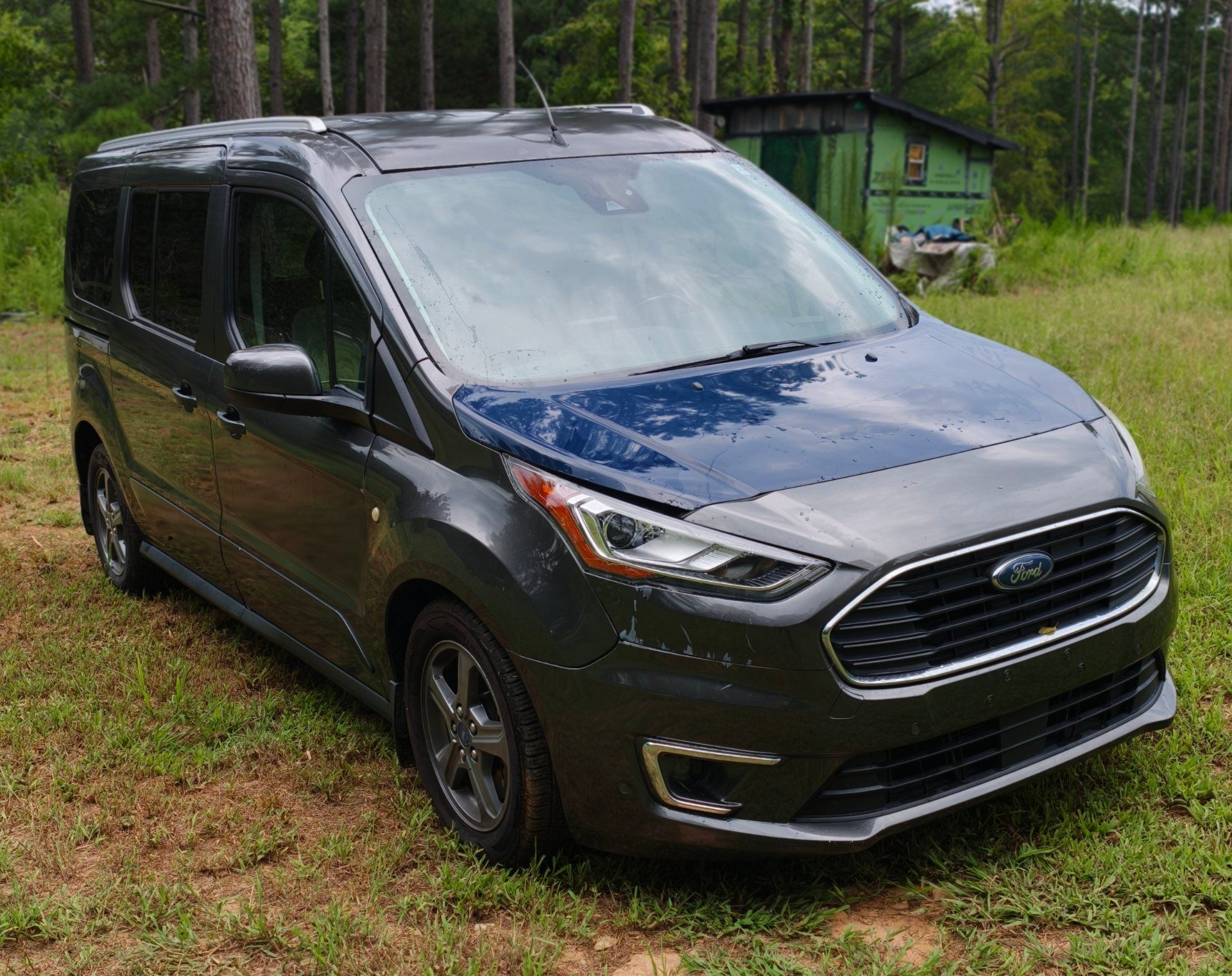
A cargo van that looks clean in photos can still lose your business money every week. A weak transmission, rusted sliding-door track, worn tires, or an overloaded electrical system can turn a low asking price into downtime you did not budget for. When comparing used cargo vans for sale, focus less on the badge and more on whether the van matches your daily route, payload, crew, tools, and...





 French




 English
 Spanish
 Portuguese
 Deutsch
 Turkish
 Dutch
Dutch
 Italiano
 Russian
 Romaian
 Portuguese (Brazil)
 Greek
Greek